Pics and Profit: Calculating ROI for Visual Marketing
In today's visually driven digital landscape, compelling images are crucial for attracting attention and driving conversions. But how do you determine if your investment in photography and visual content is actually paying off? Calculating the Return on Investment (ROI) for your visual marketing efforts is essential for justifying budgets, optimizing strategies, and demonstrating the value of visual content.
Defining the Investment (Cost)
First, clearly define your investment. This goes beyond just the photographer's fee. Consider all associated costs:
* Photography/Videography Fees: Photographer's rate, videographer's rate, stylist fees, equipment rental. * Model Fees: Payment for models, including usage rights. * Editing & Post-Production: Cost of retouching, color correction, video editing, and graphic design. * Stock Photo Subscriptions: Monthly or annual fees for stock photo services. * Software & Tools: Software licenses for editing or creating visual content. * Time & Labor: Internal staff time dedicated to planning, managing shoots, and optimizing images.Accurately totaling these costs will give you a realistic picture of your investment in visual content.
Measuring the Return (Profit)
Next, determine how your visual content contributes to your business goals. This can be more challenging than calculating costs, as it requires tracking various metrics:
* Website Traffic: Track website traffic from channels where you're using the images. Use Google Analytics to identify which visuals are driving the most traffic. * Social Media Engagement: Monitor likes, shares, comments, and click-through rates on social media posts featuring your visuals. Higher engagement often translates to increased brand awareness. * Conversion Rates: Measure how visuals impact conversion rates on landing pages, product pages, and in marketing emails. A/B testing different visuals can help identify high-performing images. * Sales Revenue: Attribute sales to specific visuals whenever possible. For example, track sales of products featured in a particular photo shoot. * Lead Generation: Assess how visuals influence lead generation forms and sign-ups. Compelling visuals can increase the number of qualified leads. * Brand Awareness: While difficult to quantify directly, brand awareness can be measured through social listening and sentiment analysis. Improved brand perception can contribute to long-term growth.Choose the metrics that align with your specific business objectives.
Calculating the ROI
The basic ROI formula is: ((Revenue - Investment) / Investment) * 100
Let's say you invested $2,000 in a product photoshoot. As a result of using those images on your website and social media, you generated $10,000 in additional sales.
ROI = (($10,000 - $2,000) / $2,000) * 100 = 400%
This indicates a highly successful visual marketing campaign. If you can’t directly attribute revenue, you can substitute another valuable metric, like the value of leads generated.
Refining and Optimizing
ROI calculation is an ongoing process. Analyze your results, identify what works, and adjust your strategies accordingly. Experiment with different types of visuals, optimize image placement, and continuously monitor performance to maximize your return on investment.
``` 1024×526 profit formula calculator examples excel template from www.educba.com
 765×476 profit loss formula definition calculation examples from www.cuemath.com
 608×245 profit formula profit formula examples from www.cuemath.com
 1000×470 profit loss formula definition examples geeksforgeeks from www.geeksforgeeks.org
 1024×512 calculate profit profit formula swoop from swoopfunding.com
 1080×1448 calculate gross profit formula examples hourly from www.hourly.io
 2000×1000 easily calculate increase business profit sbc from www.systemsbusinesscoach.com
 1024×461 profit formula from ar.inspiredpencil.com
 1200×893 profit calculation templates google sheets microsoft excel from slidesdocs.com
 1280×720 profit margin calculation formula examples financial falconet from financialfalconet.com
 1200×700 calculate net profit margin formula from www.mooninvoice.com
 626×569 premium vector business profit calculation flat illustration from www.freepik.com
 947×750 profit calculator templates google sheets microsoft excel from slidesdocs.com
 1024×461 profit percentage formula calculation from www.wallstreetmojo.com
 1024×576 gross profit margin formula calculation examples excel from www.educba.com
 6464×3562 net profit margin formula calculation wise from wise.com
 324×324 profit calculator from www.calculatorsoup.com
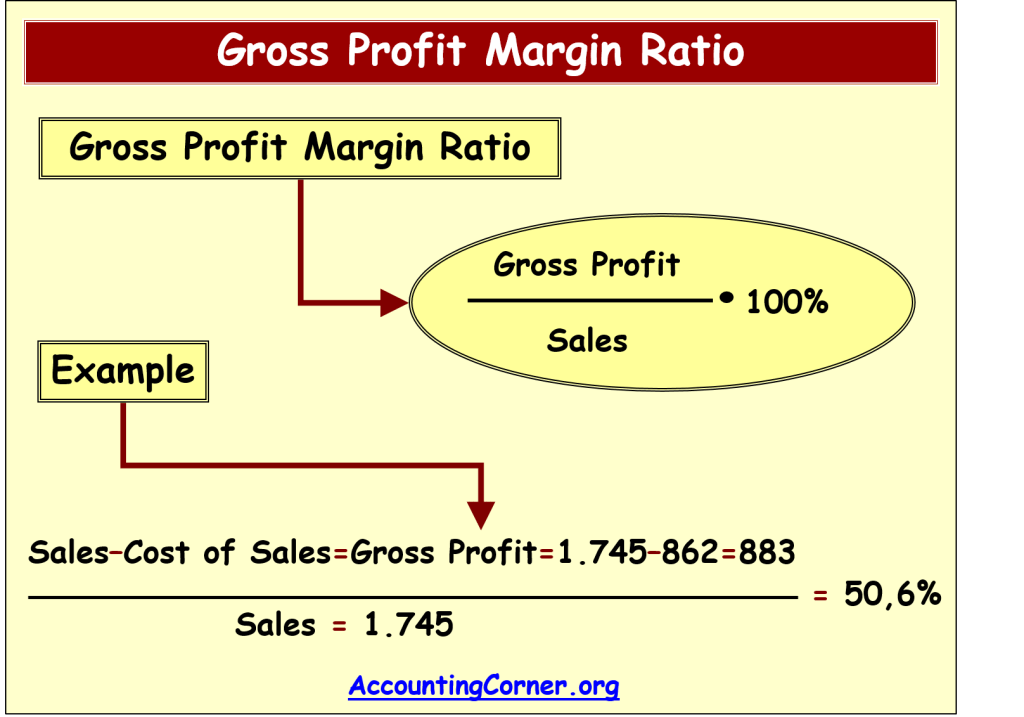 1024×717 gross profit margin definition formula accounting corner from accountingcorner.org
 1024×526 profitability ratios formula calculate profitability ratios excel from www.educba.com
 1200×1241 company revenue profit calculation form excel template google from slidesdocs.com
 790×502 revenue cost profit calculation sheet project sales excel from slidesdocs.com
 1024×683 gross profit gross profit formula calculation examples from synder.com
 1200×600 average net profit csr calculation from oponentasrchdblearning.z13.web.core.windows.net
 960×409 gross profit definition formula calculation stock analysis from stockanalysis.com
 1280×904 profit calculator businessmakeover platform from businessmodellab.nl
 475×211 como calcular el gross profit infoupdateorg from infoupdate.org
 6217×1492 gross profit margin formula calculation wise from wise.com
 5942×2075 operating profit margin definition formula calculation wise from wise.com
 1024×581 percentage profit gcse maths steps examples worksheet from thirdspacelearning.com
 2000×2000 premium vector calculator calculate profit from www.freepik.com
 1596×818 profit margin calculator guide zendesk from www.zendesk.de
 983×480 calculate profit margin definition examples from valiantceo.com
 2000×2000 premium vector profit calculation from www.freepik.com