The digital age has brought unparalleled convenience, but also increased vulnerability, particularly when it comes to sensitive information like credit card details. While snapping a picture of a beautiful sunset or a delicious meal is commonplace, taking photos of your credit card – even seemingly innocuous ones – can open the door to fraud and identity theft.
Why is a seemingly harmless picture of your credit card so risky? The front of your card typically displays the 16-digit card number, the expiration date, and your name. This information alone is often enough for online purchases or phone orders. Scammers can easily capture this data from a photo, especially if it's shared publicly on social media or even sent in an unsecured message. Consider a scenario where you're trying to share a humorous photo of your new purchase but inadvertently include your credit card in the background. Even if the card isn't the main focus, the details might be discernible enough for a skilled scammer using image enhancement techniques.
The back of your card is arguably even more sensitive. It contains the Card Verification Value (CVV), a three or four-digit security code vital for verifying the cardholder's identity during transactions. With the card number, expiration date, and CVV in hand, a fraudster can essentially impersonate you and make unauthorized purchases. Imagine sending a picture of your credit card to a friend to split a bill. While you might trust your friend, their phone could be compromised, or the image could be accidentally shared. This single act of convenience can lead to significant financial repercussions.
Beyond direct financial loss, the consequences can extend to identity theft. With access to your credit card information, scammers can potentially open new accounts in your name, apply for loans, or make other fraudulent transactions that can severely damage your credit score and take years to rectify. The stress and hassle of dealing with identity theft can be emotionally draining and time-consuming.
So, what precautions can you take? The simplest and most effective is to never photograph your credit card. If you need to share payment information, use secure payment gateways or online banking portals. These platforms encrypt your data, making it significantly more difficult for fraudsters to intercept. If you must provide card details over the phone, do so in a private setting and be cautious of unsolicited calls asking for your information. Regularly monitor your credit card statements for any suspicious activity and report any unauthorized transactions immediately. Furthermore, consider using virtual credit card numbers for online purchases. These temporary numbers are linked to your actual credit card but offer an extra layer of security by limiting the damage a compromised number can inflict.
Protecting your credit card information is an ongoing responsibility. By understanding the risks associated with sharing images of your card and taking proactive steps to safeguard your data, you can significantly reduce your vulnerability to fraud and identity theft in the digital age.
 1600×1156 credit cards editorial photography image black debit from www.dreamstime.com
 3000×1889 credit card png transparent image size xpx from pngimg.com
 4000×3300 compare credit cards apply myrateplan from www.myrateplan.com
 959×800 credit card pictures from www.smartcapitalmind.com
 4500×4500 realistic credit cards vector art vecteezy from www.vecteezy.com
 5616×3744 credit card wallpapers top credit card backgrounds wallpaperaccess from wallpaperaccess.com
 2800×2800 realistic credit card set vector art vecteezy from www.vecteezy.com
 2400×1600 credit card paying bills reddit from wordpress.iloveimg.com
 960×640 credit card cards photo pixabay from pixabay.com
 1920×1440 visa credit card blue background wallpaperscom from wallpapers.com
 3616×2362 credit card png transparent credit cardpng images pluspng from pluspng.com
 1200×774 credit card png image from pnghunter.com
 5000×3500 saving money balance transfer credit card from www.dailyu.com
 3585×2596 secured credit cards march from www.cnbc.com
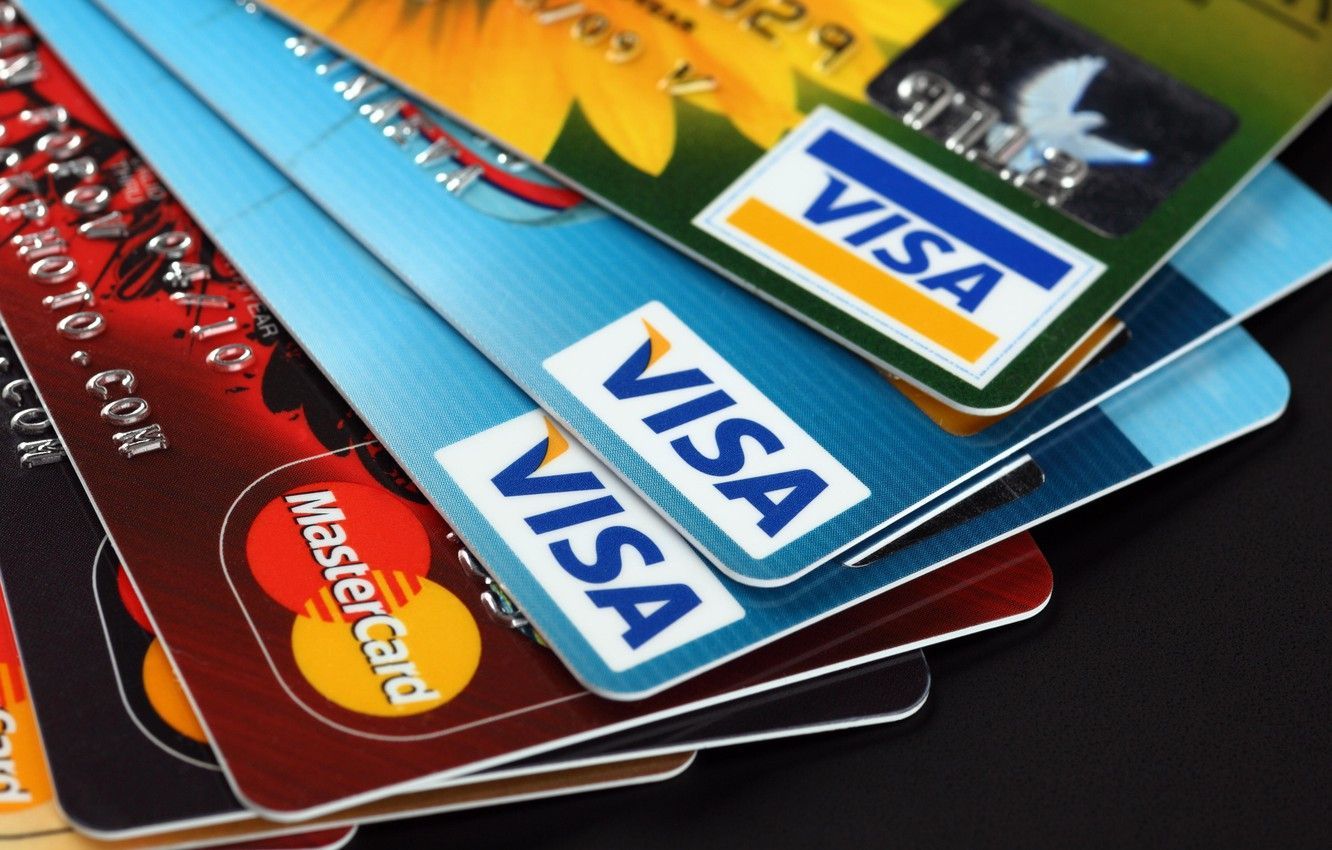 1332×850 credit card wallpapers wallpaper cave from wallpapercave.com
 4224×3168 check credit card finance dream hirharang from hirharang.com
 2909×1631 bank cards card usa card manufacturing card technology experts from www.cardusa.com
 820×428 credit card png transparent images from www.pngall.com
 959×539 types credit cards forbes advisor from www.forbes.com
 1600×1183 close credit cards leia aqui from fabalabse.com
 1280×768 card credit card debit card royalty stock illustration from pixabay.com
 2121×1414 credit cards utilities april newsweek from utpaqp.edu.pe
 1280×800 credit cards india detailed reviews cardexpert from www.moneyhaat.com
 2048×1373 build credit credit card americas credit union from www.youracu.org
/credit-cards-Adam-Gault-OJO-ImagesGetty-Images-56a906ee3df78cf772a2f137.jpg) 2000×1501 credit card definition from www.investopedia.com
2000×1501 credit card definition from www.investopedia.com
 1280×960 consumer credit cards st source from www.1stsource.com
 1600×1068 burns lake office takes credit cards bulkley lakes from www.mybulkleylakesnow.com
 1024×654 credit card debit card affect credit score magazinted from magazinted.com
 800×450 cartes de credit classique visa from www.visa.ca
 640×640 credit card mockup design front template pngtree from pngtree.com
 1998×1324 advantages credit card debit card chips peoples from tpfcu.com
 1920×1920 illustration credit card png from www.vecteezy.com
 1920×1216 kreditkarten american express from www.amex-kreditkarten.de