The front of a car is far more than just a visual identifier; it's a complex interplay of design, engineering, and regulatory requirements. It's the face the world sees, projecting an image of power, luxury, sportiness, or practicality, depending on the manufacturer's intent.
A car's front end is often the first point of contact – literally – in an accident. Consequently, it's heavily influenced by safety standards. Crumple zones are engineered to absorb impact energy, protecting the occupants. The positioning and design of headlights, fog lights, and even the hood are carefully considered to minimize pedestrian injuries in the event of a collision. These considerations often shape the overall aesthetics, creating a subtle tension between form and function.
The grille, traditionally the prominent feature at the front, serves a vital function: allowing airflow to cool the engine. In older vehicles, grilles were large and highly visible, reflecting the engine's need for substantial cooling. Modern cars, with more efficient cooling systems and advancements in aerodynamics, often feature smaller, more streamlined grilles. Electric vehicles, with their significantly different cooling requirements, may even have completely closed-off front fascias, showcasing a dramatic departure from traditional designs. These variations reflect the changing landscape of automotive technology.
Headlights have evolved dramatically. From simple incandescent bulbs to sophisticated LED and laser technologies, headlights not only illuminate the road but also contribute significantly to a car's visual signature. Daytime running lights (DRLs), now mandatory in many countries, further enhance visibility and add to the car's unique personality. The shapes, arrangements, and lighting patterns of these elements are meticulously crafted to convey a brand's identity.
Aerodynamics play a crucial role in front-end design. Automakers strive to minimize drag, improving fuel efficiency and overall performance. The shape of the hood, the angle of the windshield, and the integration of air intakes are all carefully optimized to streamline airflow. Subtle features like air curtains and splitters, often unseen, help manage airflow around the wheels and reduce turbulence.
The bumper, another key element, is designed to absorb low-speed impacts, preventing damage to more critical components. It's typically constructed from durable materials and often incorporates sensors for parking assistance and advanced driver-assistance systems (ADAS) like adaptive cruise control and automatic emergency braking. These sensors require careful placement to ensure accurate readings and minimal disruption to the car's aesthetics.
Ultimately, the design of a car's front end is a complex compromise between aesthetics, safety, performance, and regulatory compliance. It represents a brand's identity, its technological prowess, and its commitment to driver and pedestrian safety. As automotive technology continues to evolve, the front of the car will undoubtedly undergo further transformations, reflecting the changing needs and expectations of drivers worldwide.
 1155×777 car front view png from ar.inspiredpencil.com
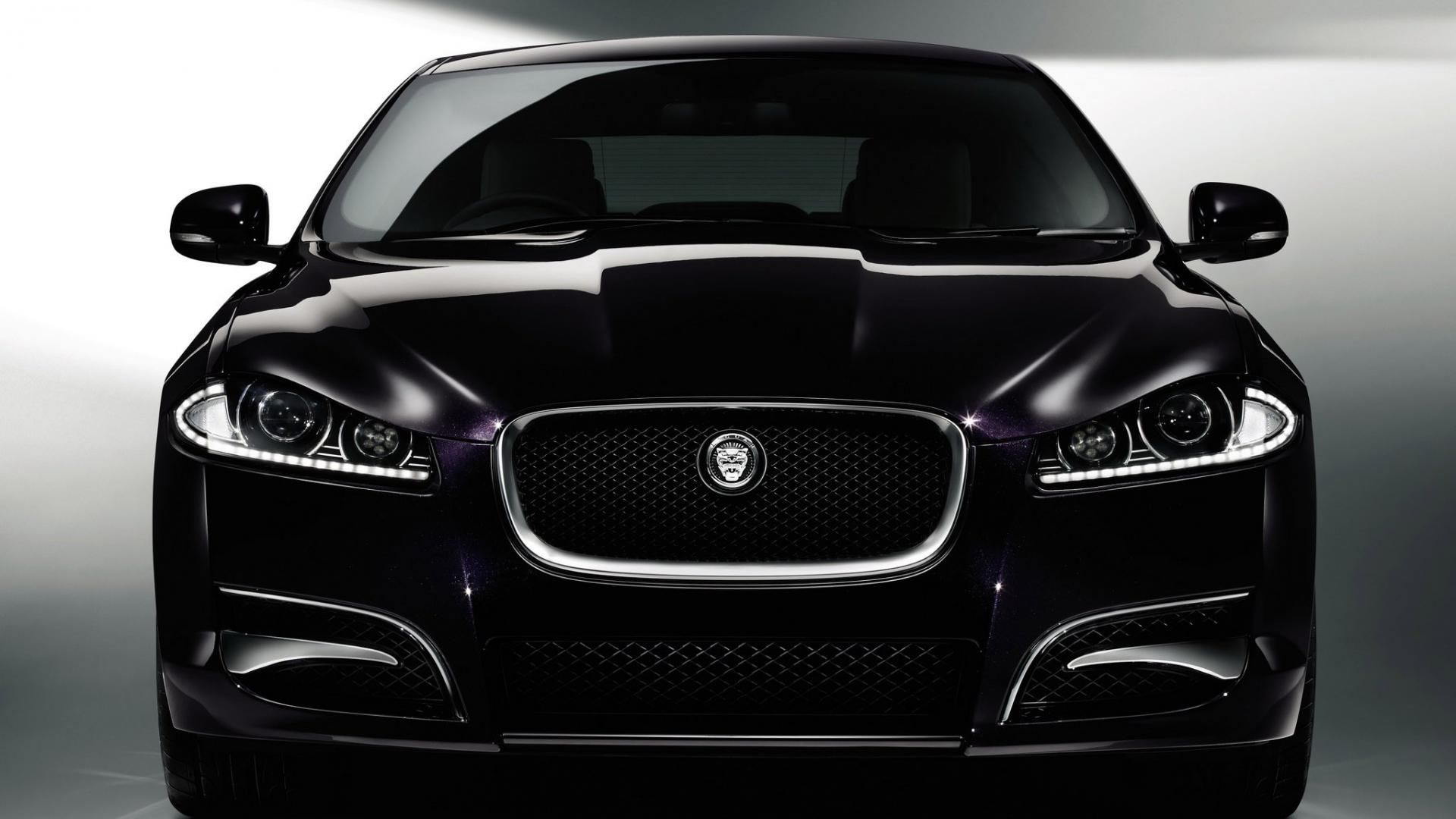 1920×1080 car front wallpapers wallpaper cave from wallpapercave.com
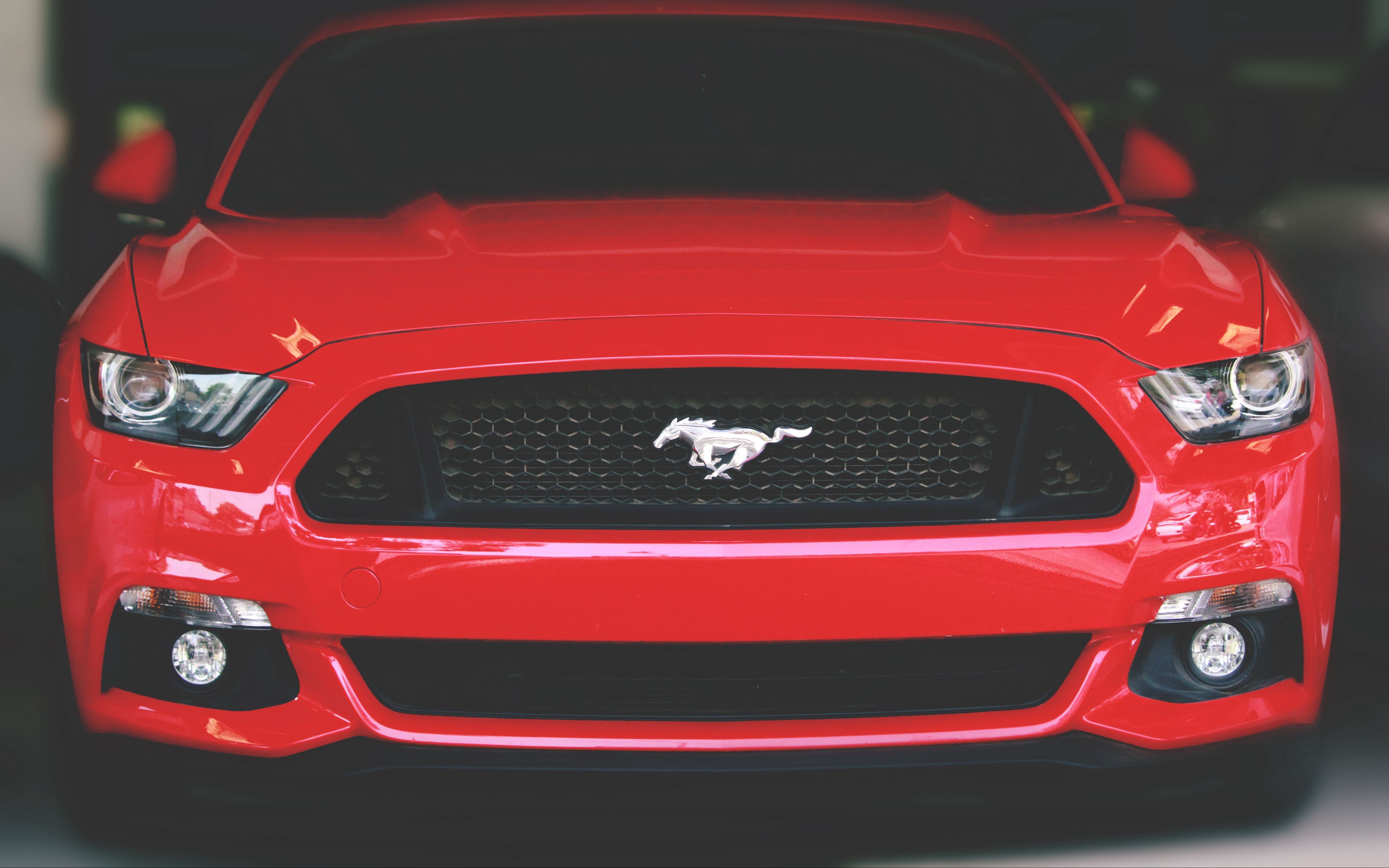 3840×2400 car front wallpapers wallpaper cave from wallpapercave.com
 1752×1200 front view jaguar type car png image purepng from purepng.com
 1926×1176 lamborghini huracan front view car png image purepng from purepng.com
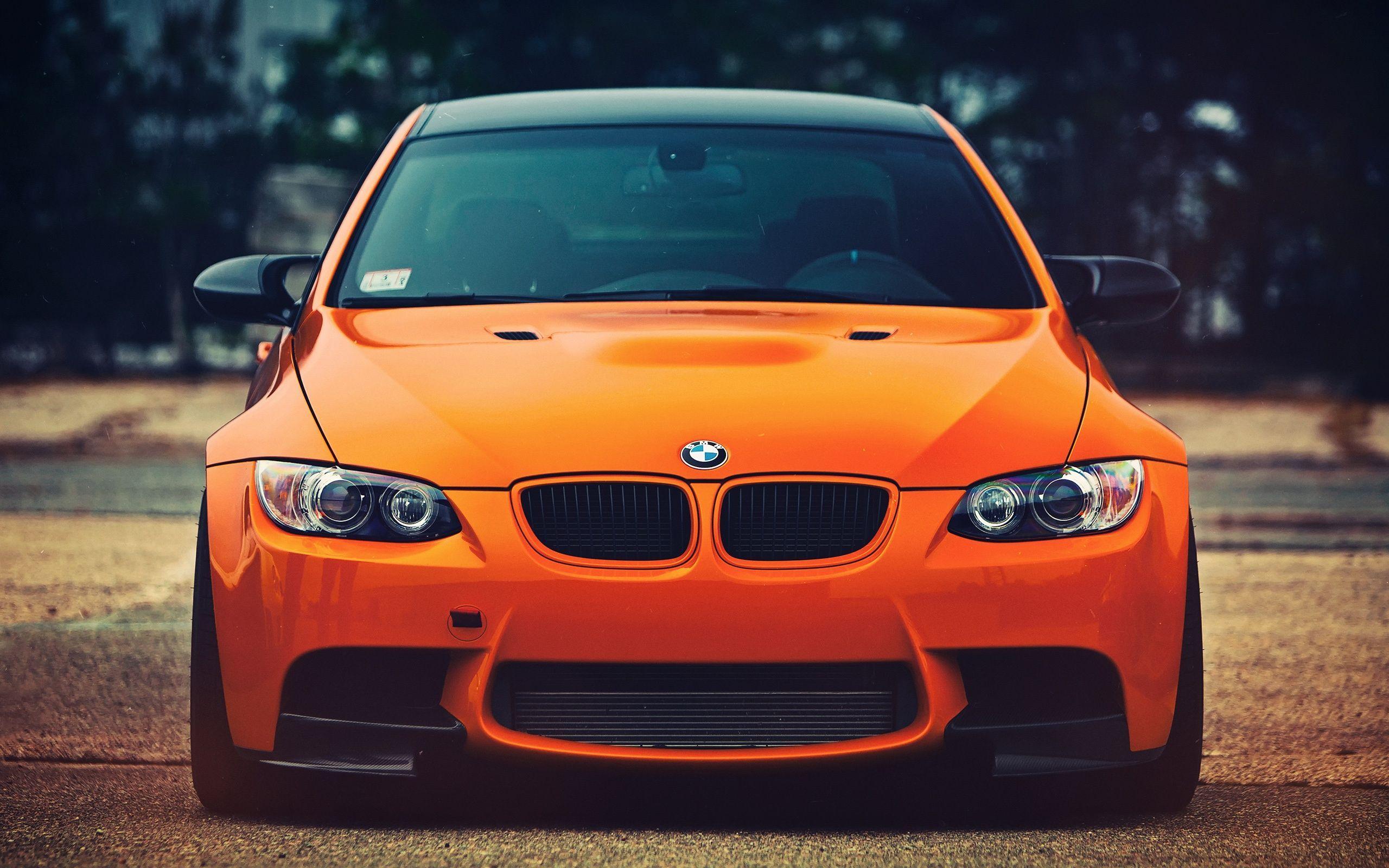 2560×1600 car front wallpapers top car front backgrounds wallpaperaccess from wallpaperaccess.com
 1300×924 red luxury car front view stock photo alamy from www.alamy.com
 612×442 car front stock pictures royalty images istock from www.istockphoto.com
 1280×1280 front car car images pixabay from pixabay.com
 500×332 car front car front stock hd images from www.pexels.com
 1600×1290 front luxury car stock image image shine power from www.dreamstime.com
 612×523 car front pictures hd images unsplash from unsplash.com
 1300×1065 red generic car front view stock photo alamy from www.alamy.com
 626×469 car front view png images freepik from www.freepik.com
 1920×1080 car front png car front transparent background freeiconspng from www.freeiconspng.com
 1300×1065 classic american car front view isolated white background stock from www.alamy.com
 900×500 audi car front view png from www.pngmart.com
 800×600 classic style car front view isolated photo stock image image from www.dreamstime.com
 1000×600 realistic car sport coupe front view side view view stock from stock.adobe.com
 1000×805 car front view antique ford antique cars blog from antiquecars.tukaffe.com
 1700×1136 yellow ferrari front view car png image purepng transparent from purepng.com
 1470×980 car front stock images backgrounds from www.vecteezy.com